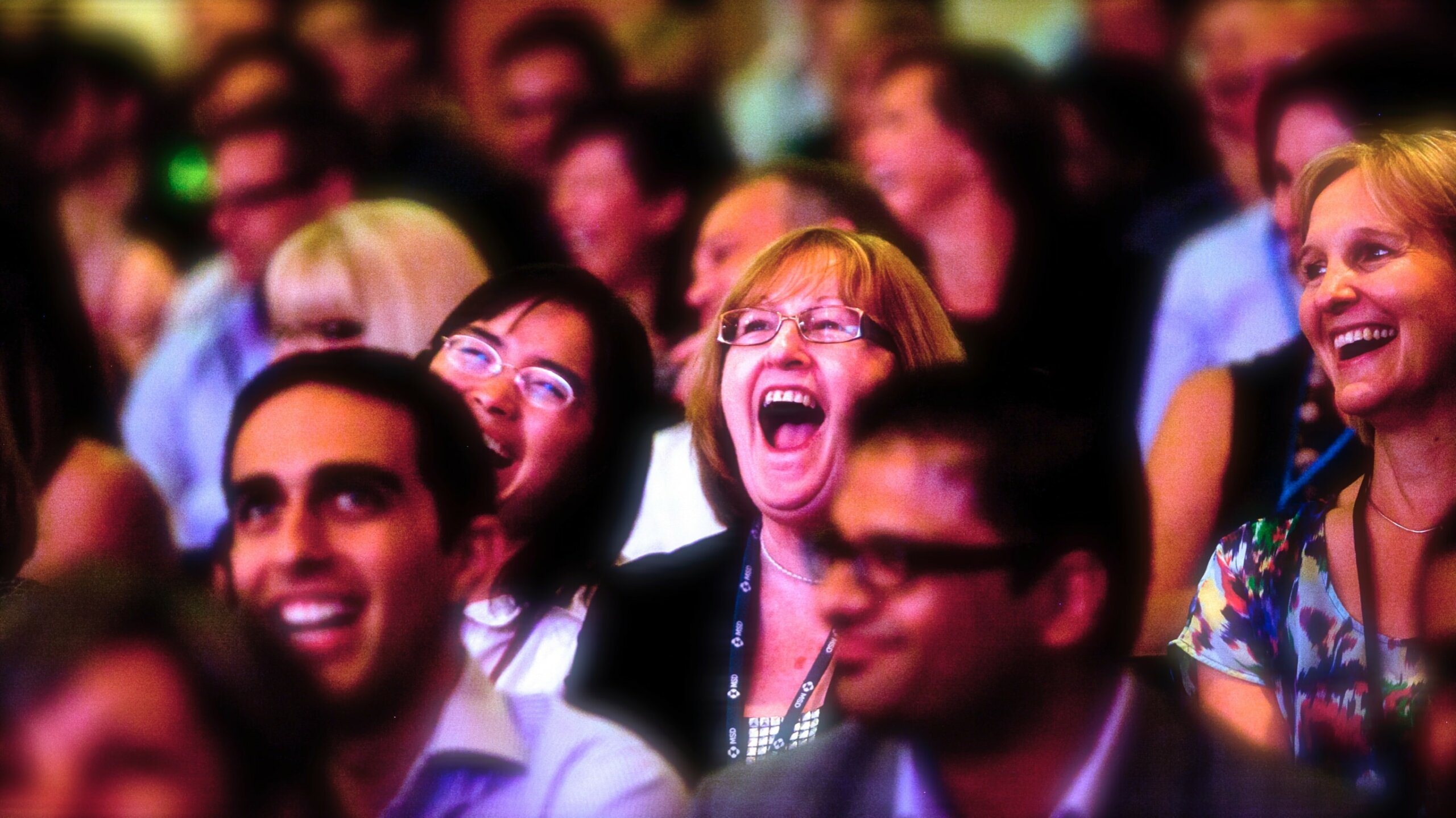
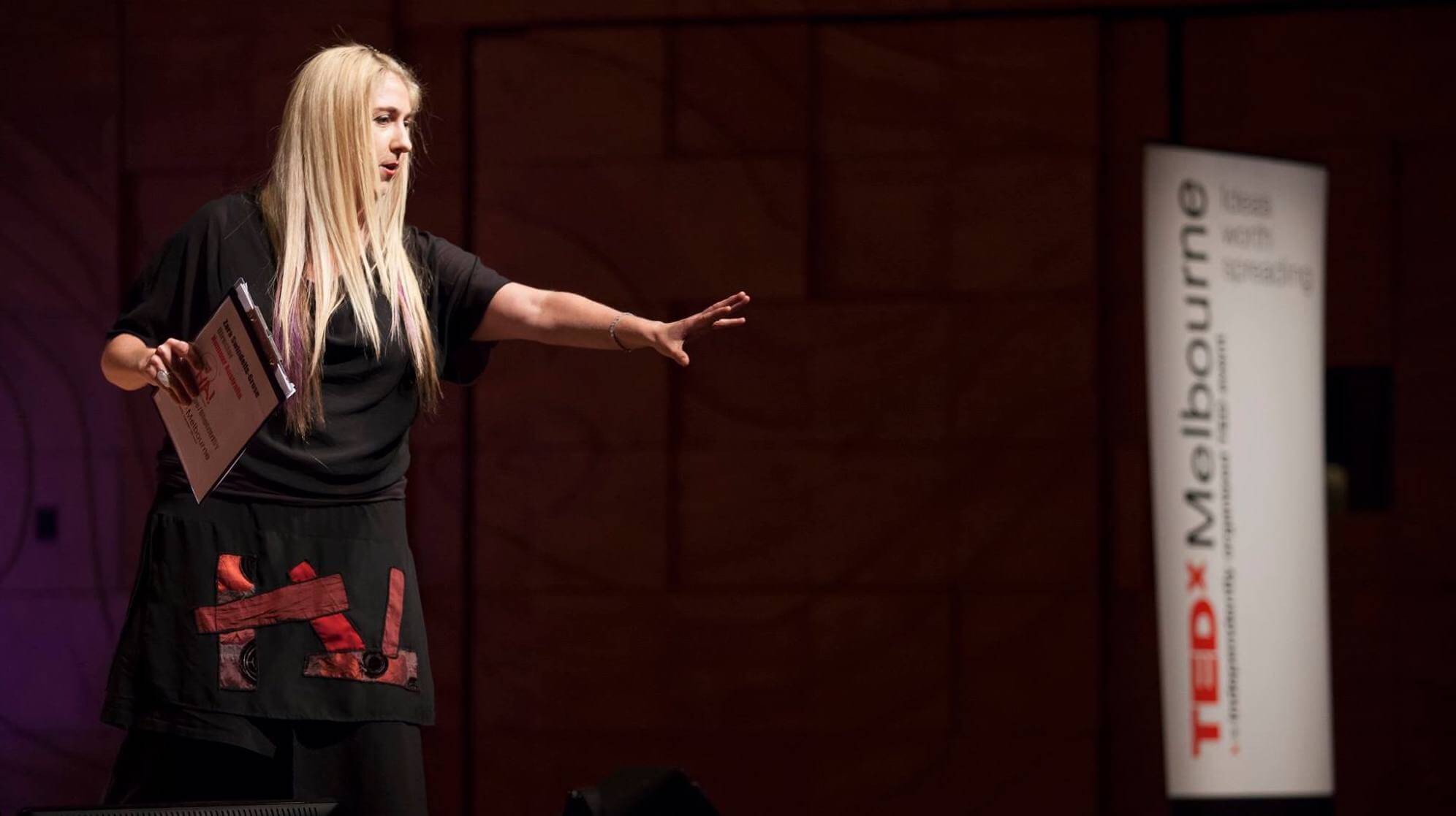
At Great Talk, we have over 20,000 appearances on stage, radio and television to a collective audience of more than 20-million… so, it’s fair to say we #lovestorytelling.
#Storytelling is not just an art form but also a science that has been used since the dawn of human civilization to transmit ideas, beliefs, and values from one generation to another.
Recently, advances in the field of #neuroscience have shed new light on the way our brains process stories. Research has shown that when we hear a story, our brain activates multiple regions associated with emotions, imagination, and memory. This means that stories have the power to engage us emotionally, transport us to new worlds, and leave a lasting impression on our minds.
Moreover, stories have been found to be highly effective in transmitting information, as they are easier to remember and more persuasive than simple lists of facts. By tapping into our emotions, stories can help us understand complex ideas, see things from different perspectives, and even inspire us to take action.
However, not all stories are created equal. To be effective, a story must be well-crafted and relevant to its audience. It must have a clear structure, interesting characters, and a compelling narrative that keeps the audience engaged. It must also be appropriate for the occasion and resonate with the values of the audience.
In conclusion, the science of storytelling is a fascinating and rapidly growing field that has the potential to transform the way we communicate and understand the world around us. Whether you are a writer, a filmmaker, or a marketer, understanding the science of storytelling can help you create more impactful and memorable experiences for your audience.
Got a story you need to share? Talk to #GreatTalk today!